DHS Certified Trusted Tester
Structured accessibility testing grounded in established testing procedures and documented evaluation methods.

Based in Rangely, Colorado, we help businesses, public agencies, educational institutions, and other organizations across the United States identify website accessibility barriers, document findings, and plan remediation.
Choose a scoped audit with manual testing process by a DHS Trusted Tester and WAVE-powered scans, or ongoing monitoring that gives your team platform access plus quarterly evaluation, supporting documentation.
Discuss an Accessibility Project Explore Services
WCAG accessibility audits · WEAR reports · POCC documentation · Ongoing monitoring
Why Kaffeinated Kodemonkey
Accessibility requires more than automated scans. We combine structured testing, hands-on web development, and practical remediation to help organizations identify and address digital accessibility barriers.
Structured accessibility testing grounded in established testing procedures and documented evaluation methods.
Practical web development expertise to help identify, troubleshoot, and correct accessibility issues in code, templates, and digital interfaces.
Clear findings, supporting test results, and remediation guidance to help teams understand issues and prioritize accessibility improvements.
Accessibility support informed by work with government agencies, education, transportation, and other organizations.
Kaffeinated Kodemonkey is a small, specialized web accessibility business founded by Heather Welsh. We combine web development experience with dedicated accessibility testing to help organizations identify barriers, understand their impact, and make informed improvements.
As a DHS Certified Trusted Tester, Heather brings a structured approach to manual accessibility evaluation, supported by automated scanning and practical technical knowledge. Our work focuses on more than identifying potential issues—we help clients understand evaluation findings, prioritize remediation, and document their accessibility efforts.
We work with public agencies, educational institutions, and businesses that need experienced accessibility support, whether they are evaluating an existing website, improving development practices, or building accessibility into a new digital project.
Our approach is straightforward: practical expertise, clear reporting, and support tailored to your organization's needs.
Kaffeinated Kodemonkey helps organizations evaluate, improve, and maintain digital accessibility. Led by a DHS Certified Trusted Tester, our services include automated scanning, manual evaluation, reporting, and accessibility-first development, as appropriate to each project's scope. We support organizations working toward applicable WCAG 2.1/2.2 and Section 508 requirements, with a practical focus on identifying barriers and helping teams address them.
Get a scoped WCAG accessibility audit using manual DHS Trusted Tester testing and automated scans powered by WAVE. Findings appear in a WCAG Evaluation Audit Report (WEAR), delivered with POCC documentation.
Evaluation Options:
Automated monitoring scans agreed website pages for detectable accessibility issues as content and code change. Scan coverage and frequency are established during scoping; automated findings may need manual verification.
Monitoring Options:
Plan accessibility into a new website or redesign. We work with organizations and their teams on accessible design and development, with scope and testing defined for each project.
Development Options:
Accessibility Consulting is available for teams
that need expert guidance on accessibility questions, evaluation
findings, remediation decisions, or development workflows.
Get experienced support tailored to your project and team. Book Free Consultation
Automated accessibility tools can identify many potential issues across a website, helping teams establish a baseline and prioritize areas for review. However, automated results alone cannot determine whether every aspect of a website is accessible.
At Kaffeinated Kodemonkey, we combine automated accessibility scanning with manual testing using the DHS Trusted Tester process. This approach helps us investigate potential barriers, evaluate applicable accessibility requirements, and document findings that teams can use to plan remediation.
Our evaluation process includes:
The result is a more useful picture of your website's accessibility than an automated scan alone can provide.
Speak with a DHS Certified Trusted Tester about a WCAG accessibility audit, WEAR report, and POCC documentation. We can discuss evaluation scope, findings, and practical next steps for your organization.
A website accessibility evaluation examines a website for barriers that may prevent people with disabilities from accessing or using its content and functionality. Kaffeinated Kodemonkey combines automated scanning with manual testing using the DHS Trusted Tester process to document findings and recommend improvements.
The Proof of Compliance Certificate (POCC) is part of Kaffeinated Kodemonkey's accessibility evaluation and documentation package. The package includes an Accessibility Statement, a WCAG report, and suggested remediations. It documents the evaluation performed and its findings; it is not a government-issued certification or a guarantee of legal compliance.
Automated scanning can identify many potential accessibility issues efficiently, but it cannot reliably evaluate every accessibility requirement. Manual testing allows an evaluator to examine applicable requirements and interactions more closely. Combining both approaches provides more useful findings than relying on automated results alone.
Yes. Organizations that need an Accessibility Conformance Report can request a separate evaluation and reporting option using the applicable Voluntary Product Accessibility Template (VPAT). The appropriate reporting approach depends on the product or service being evaluated and the organization's requirements.
Yes. Kaffeinated Kodemonkey supports public agencies, educational institutions, and businesses with accessibility evaluations, documentation, monitoring, and accessibility-first web development. Services can be discussed in the context of your organization's requirements and existing digital environment.
Yes. We can provide remediation guidance, accessibility consulting, monitoring, and development support. The appropriate next step depends on your findings, your team's capabilities, and whether you need help correcting issues or monitoring changes over time.
No single scan or evaluation can guarantee that a website will remain accessible or satisfy every legal obligation. An evaluation documents the scope of testing and the findings identified during that process. Ongoing maintenance, content changes, and follow-up testing remain important parts of accessibility management.
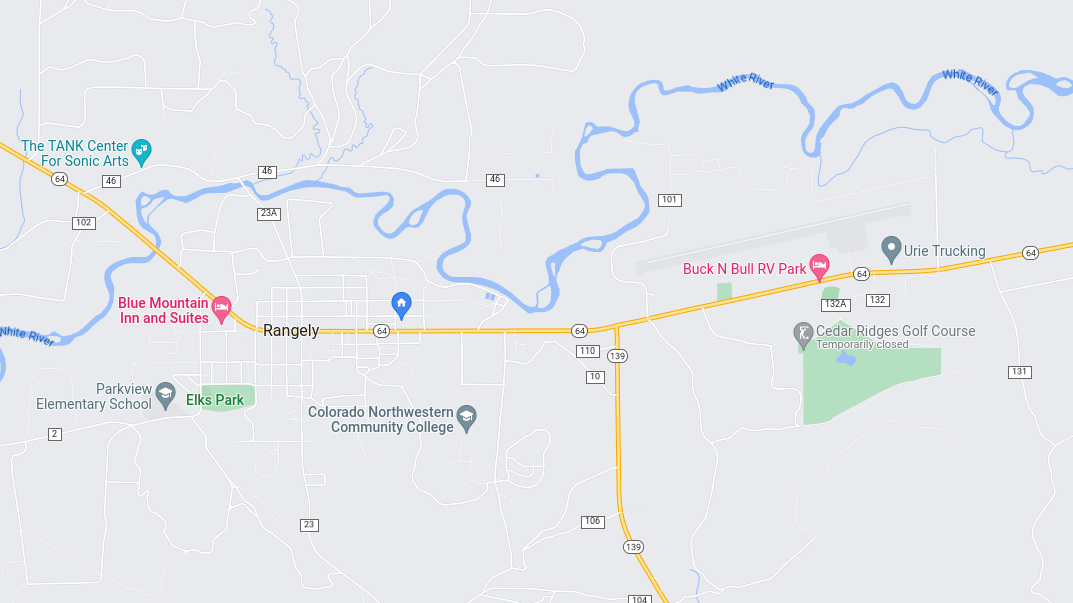
Rangely, Colorado, United States
Serving clients nationwide
Monday–Friday: By Appointment Only
Closed Weekends and Holidays
Office: (720) 608-1444
Whether you're planning an accessibility evaluation, addressing website accessibility barriers, exploring ongoing monitoring, or looking for an experienced accessibility consultant, let's discuss your project.
Tell us a little about your website, organization, and goals. We'll review your inquiry and discuss the next steps.
Start a conversation about your project
A practical first step toward understanding your accessibility needs.
A field marked with an asterisk * indicates required field.Kaffeinated Kodemonkey is a small, specialized accessibility business providing hands-on support for organizations working to improve digital accessibility. Inquiries are typically answered within 24–48 hours on business days.


